
Can the Remake Boom Stand In for Preservation? Rethinking 2026 as an Access Route
No: the remake boom cannot replace preservation. But in 2026 it did something else that matters. It opened practical return paths to works that had started slipping out of reach.
By preservation, I mean durable public or institutional continuity. By remake, I mean commercial redistribution as a new product. They are not the same project. Still, they can briefly intersect at access.

Official OG image from the source page (PlayStation.Blog)
Why now: the pattern is simultaneity, not a single headline
In early 2026, several signals appeared at once:
- PlayStation.Blog explicitly confirmed development of remakes for the original Greek God of War trilogy.
- Tomb Raider officially launched a 30th-anniversary campaign; separate coverage also circulated rumors around additional legacy remaster activity.
- Fatal Frame 2: Crimson Butterfly remained an active legacy point in GamesRadar+ coverage, reinforcing how older horror titles are being re-surfaced in current conversation.
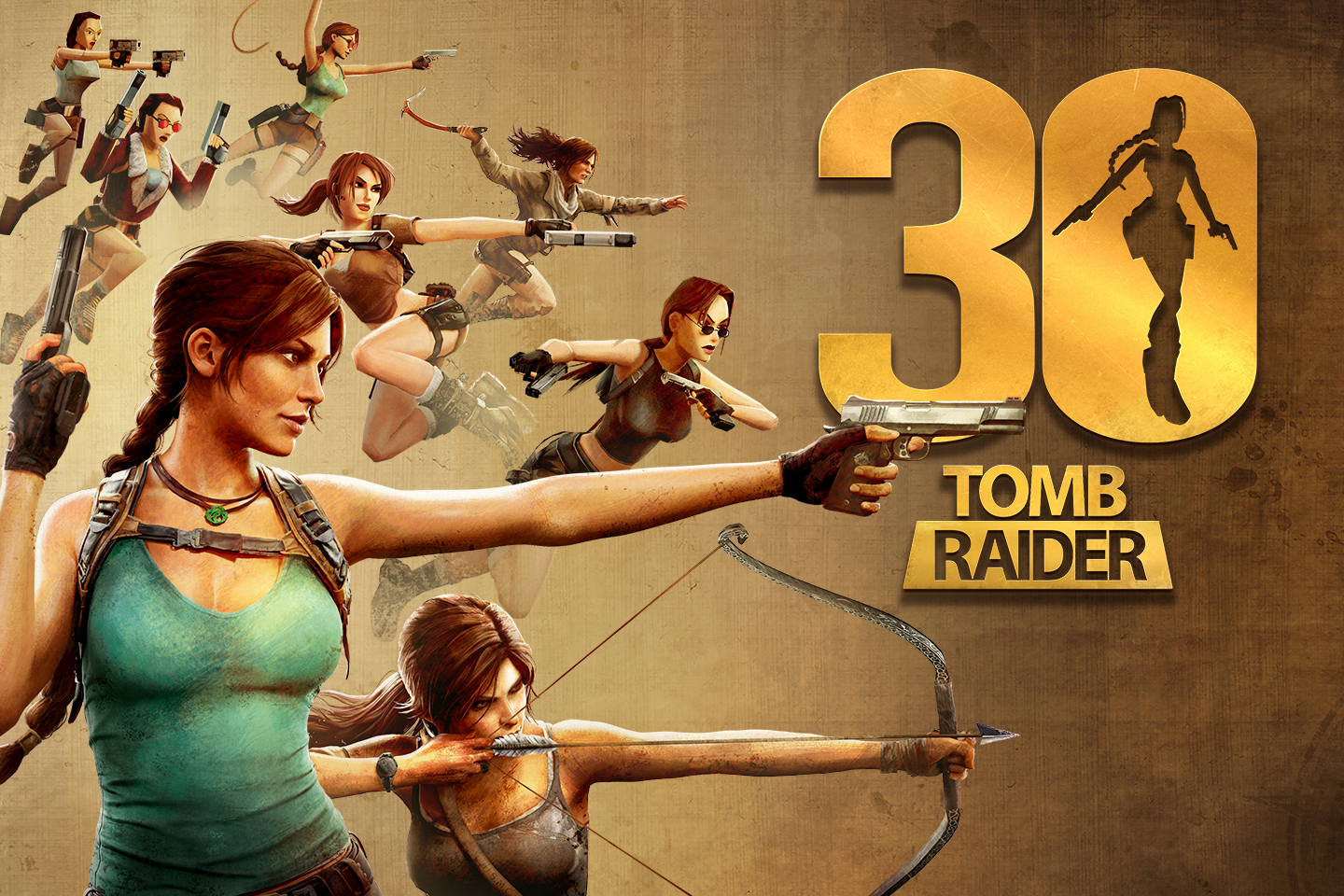
Official OG image from the source page (TombRaider.com)
This is less about one hit announcement than a structural pattern: major IPs rebuilding entry points for current hardware generations.
Remakes are not archives. They are access interventions
A remake does not preserve a work in its original technical state. Code, input feel, pacing, visual language, and platform constraints are all translated for a new market moment.
But players often face a more immediate problem: “I want to play this, but I can’t on today’s setup.” Obsolete hardware, dead storefronts, and expensive secondary markets create hard barriers. Remakes can break those barriers, even when motivated by revenue first.
That is why remakes matter here: not as preservation equivalents, but as emergency access infrastructure.
Read together with the PlayStation-side preservation tension
In the related essay on summer 2026 preservation pressure (In Three Weeks, Three Doors Closed), the institutional side was thinning out: weak legal obligation, narrower physical routes, unstable archival continuity.
Set against that, the remake cluster looks paradoxical. Preservation responsibility remains unclear, while market-facing access channels get stronger. What grows is not custody, but availability.
What to measure before calling a remake “good recovery”
If we treat remakes as access routes, we should measure them concretely:
- Price architecture (full-price only, or low-friction entry tiers)
- Platform spread (single ecosystem vs multi-platform)
- Route back to originals (archives, commentary, comparative framing)
- Post-license fate (whether access disappears again later)
Without these, “revival” quickly becomes brand sentiment rather than an access argument.
Use the boom as a bridge, not an answer
Celebrating the remake boom as a preservation victory is too easy. The stronger reading is harder: preservation institutions are weak, so redistribution waves look larger than they are.
Still, this does not have to end in cynicism. If remakes become entry points that reconnect players to originals, production histories, and archival context, the cycle can do more than monetize memory.
The key question is not whether a remake exists. It is what that remake can still connect us to.
References
- God of War Greek trilogy remake in development & God of War Sons of Sparta out now — PlayStation.Blog
- The 30th Anniversary of Tomb Raider is here! — TombRaider.com
- Tomb Raider 30th anniversary plans spark ‘Legend’ remake rumour — NME
- Fatal Frame 2: Crimson Butterfly Coverage — GamesRadar+
- The 2026 Video Game Remake Boom — Ardent Workshop
- In Three Weeks, Three Doors Closed — Who Preserves Games Now?